There’s something timeless about historical adventure novels. They give us danger, risk, survival, and high-stakes decisions — but they also anchor those stories in real events. The result? Fiction that feels urgent and believable. When done well, this genre doesn’t just entertain; it shows how ordinary people respond when history pushes them to the edge.
This year’s standout historical adventure novels aren’t just about sword fights or sea voyages. They explore leadership, loyalty, survival, and the cost of ambition. Below are seven powerful reads that combine action with emotional depth — books that make history feel alive rather than distant.
1. Tough Choices by Sir Tim Melville-Ross

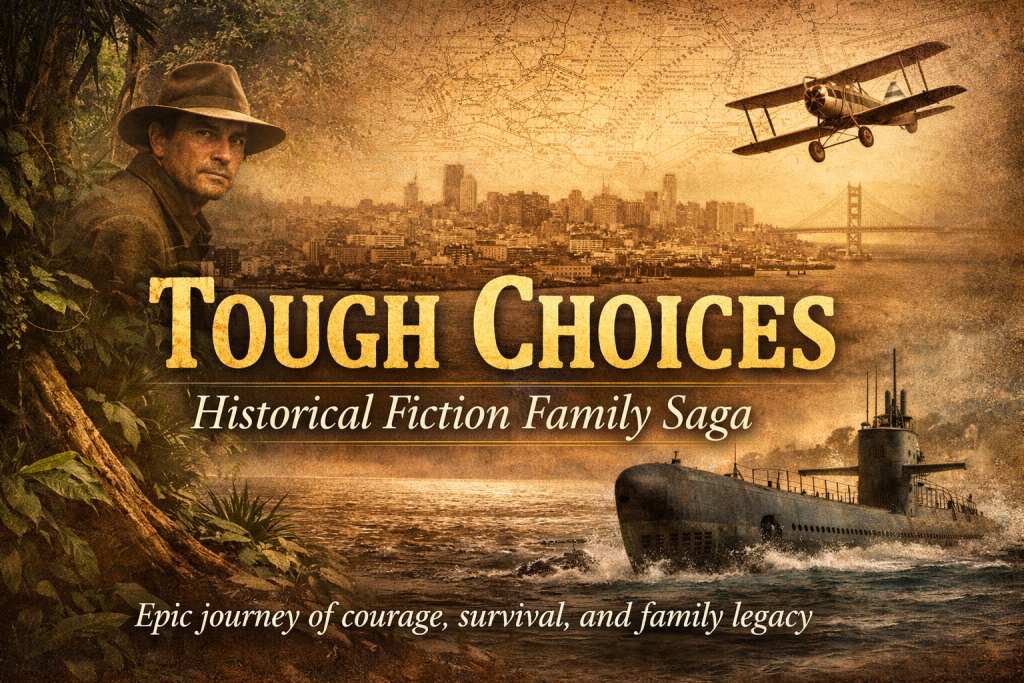
Among modern historical adventure novels, Tough Choices stands out for its emotional weight and real-life foundation. Inspired by the lives of the author’s father and grandfather, the novel traces the extraordinary experiences of Tod Peterson and his son Scott across decades of global upheaval.
Tod’s story begins in late 19th-century San Francisco and quickly moves into the Amazon jungle after he runs away to find his anthropologist father. What follows includes jungle survival, early aviation, mercenary work, a devastating plane crash in Britain, and later involvement in the Manhattan Project. His life reads like an adventure epic — but it is grounded in the physical and emotional cost of those experiences.
Scott’s arc shifts into World War II, where he serves as a submarine commander and later works in intelligence. Unlike many war-based historical adventure novels, this one focuses on the psychological burden of command and the tension between father and son. The result is a gripping family saga that blends action with reflection. For readers who appreciate adventure rooted in real history, this is a compelling choice available on Amazon.
2. The Three Musketeers by Alexandre Dumas
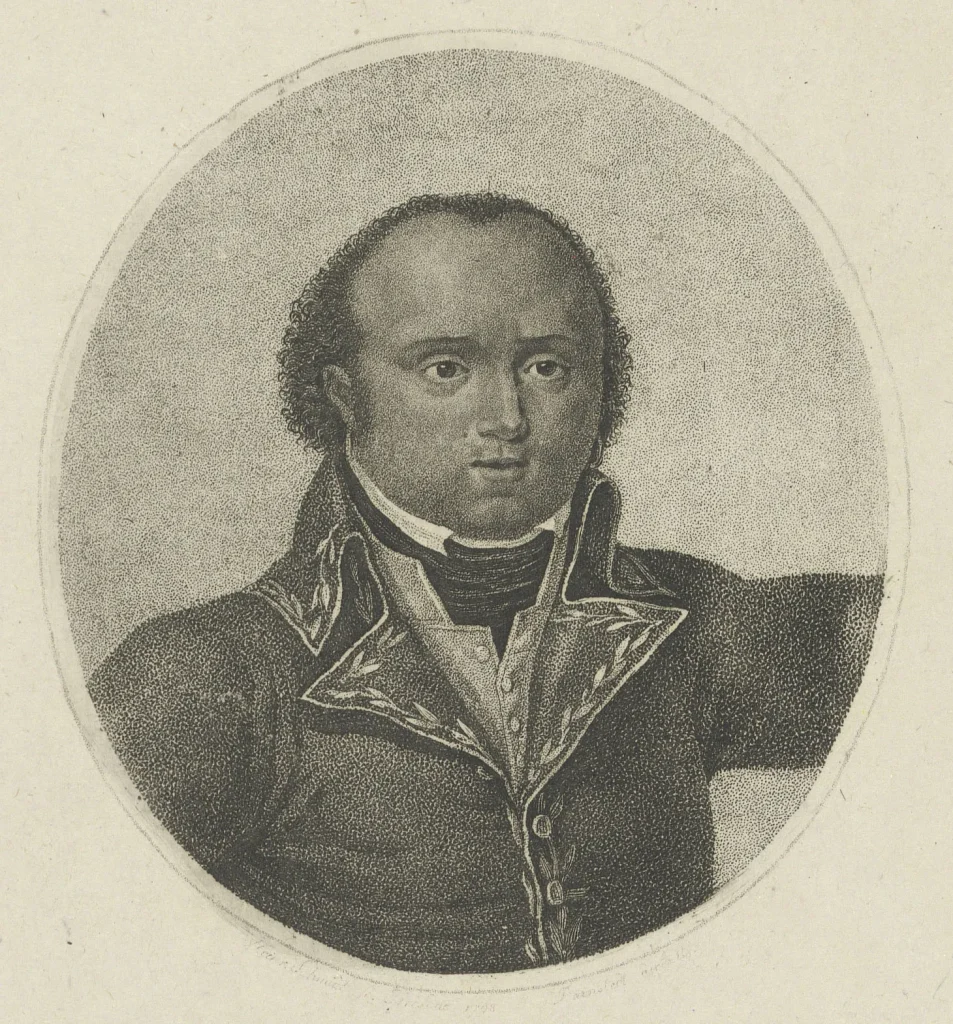
Few historical adventure novels have shaped the genre like this classic. Set in 17th-century France, the novel follows young d’Artagnan as he joins the King’s Musketeers. Sword fights, political plots, and fierce loyalty define the story.
What keeps it relevant today is its energy. Dumas understood pacing. Each chapter raises the stakes, and the friendships feel authentic. Beneath the duels and drama lies a deeper question about honor and power — themes that continue to resonate in modern storytelling.
3. Master and Commander by Patrick O’Brian

Naval warfare during the Napoleonic era becomes intensely personal in this novel. Captain Jack Aubrey and surgeon Stephen Maturin navigate not just enemy ships but complex moral and political tensions.
Unlike surface-level action stories, O’Brian’s work examines leadership under pressure. The sea battles are vivid, but so are the quiet conversations between officers. The novel shows how historical adventure novels can combine strategic realism with emotional insight.
4. The Count of Monte Cristo by Alexandre Dumas
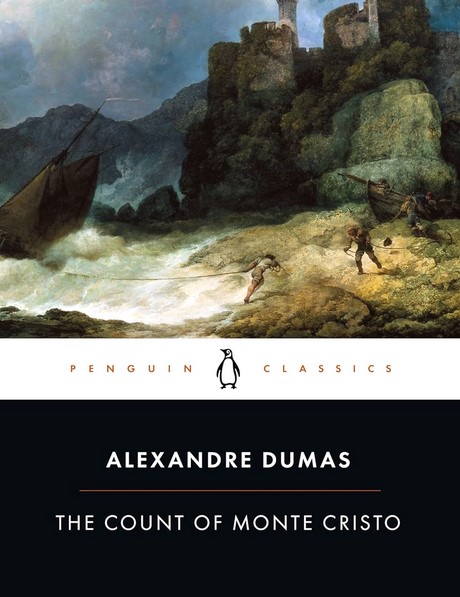
Revenge stories often fall flat, but this one remains powerful more than a century later. Edmond Dantès is wrongfully imprisoned and spends years plotting his return.
The adventure here isn’t just physical — it’s psychological. Escape, disguise, and calculated strategy drive the narrative. The novel reminds readers that historical adventure novels can explore justice, betrayal, and transformation without losing momentum.
5. Shōgun by James Clavell

Set in 17th-century Japan, this novel immerses readers in cultural conflict and political maneuvering. An English navigator finds himself in a society governed by samurai codes and rigid hierarchy.
Clavell’s strength lies in contrast. East meets West in ways that create tension and growth. The battles are intense, but the cultural misunderstandings are just as gripping. It’s a reminder that adventure often begins with unfamiliar territory.
6. The Pillars of the Earth by Ken Follett

At first glance, a cathedral-building project may not sound like adventure. Yet Follett turns medieval England into a stage for ambition, corruption, romance, and survival.
The novel proves that historical adventure novels don’t require constant combat. Struggle can be political, economic, or spiritual. Characters fight for power, love, and legacy. The stakes feel real because they are tied to survival in a brutal era.
7. The Eagle Has Landed by Jack Higgins

This World War II thriller imagines a German plot to kidnap Winston Churchill. Fast-paced and tense, it blends espionage with battlefield action.
Higgins demonstrates how alternative-history elements can enhance historical adventure novels without losing credibility. The novel thrives on “what if” scenarios, yet the wartime atmosphere remains convincing and grounded.
Why Historical Adventure Novels Still Matter
In an age of digital distraction, readers continue to gravitate toward historical adventure novels for their scale. They show how individuals respond when history shifts dramatically — war erupts, empires rise or fall, or new technologies reshape the world.
These stories also provide perspective. When we read about characters surviving jungle expeditions, naval warfare, medieval power struggles, or world wars, our modern anxieties feel contextualized. The genre reminds us that uncertainty is not new. Humanity has faced it before.
The strongest historical adventure novels balance spectacle with substance. They avoid empty action and instead show the cost of decisions. Leadership, loyalty, ambition, and redemption often sit at the center of the narrative. That’s why books like Tough Choices resonate: they combine daring exploits with family tension and moral reckoning.
From classic European epics to modern war-based sagas, this year’s top picks show the genre’s range. Whether you prefer sea battles, espionage, survival stories, or generational family drama, there’s something here that will hold your attention.
If you’re looking for fiction that moves quickly but still leaves you thinking, historical adventure novels remain one of the most rewarding genres to explore.